
Questions answered

Straight Answers Before You Buy, Build or Expand.

Clients ask the same questions in the first call. These are the answers, in plain language, from RDBA Outdoor Consulting — the practice formerly known as Ron D. Beard & Associates.

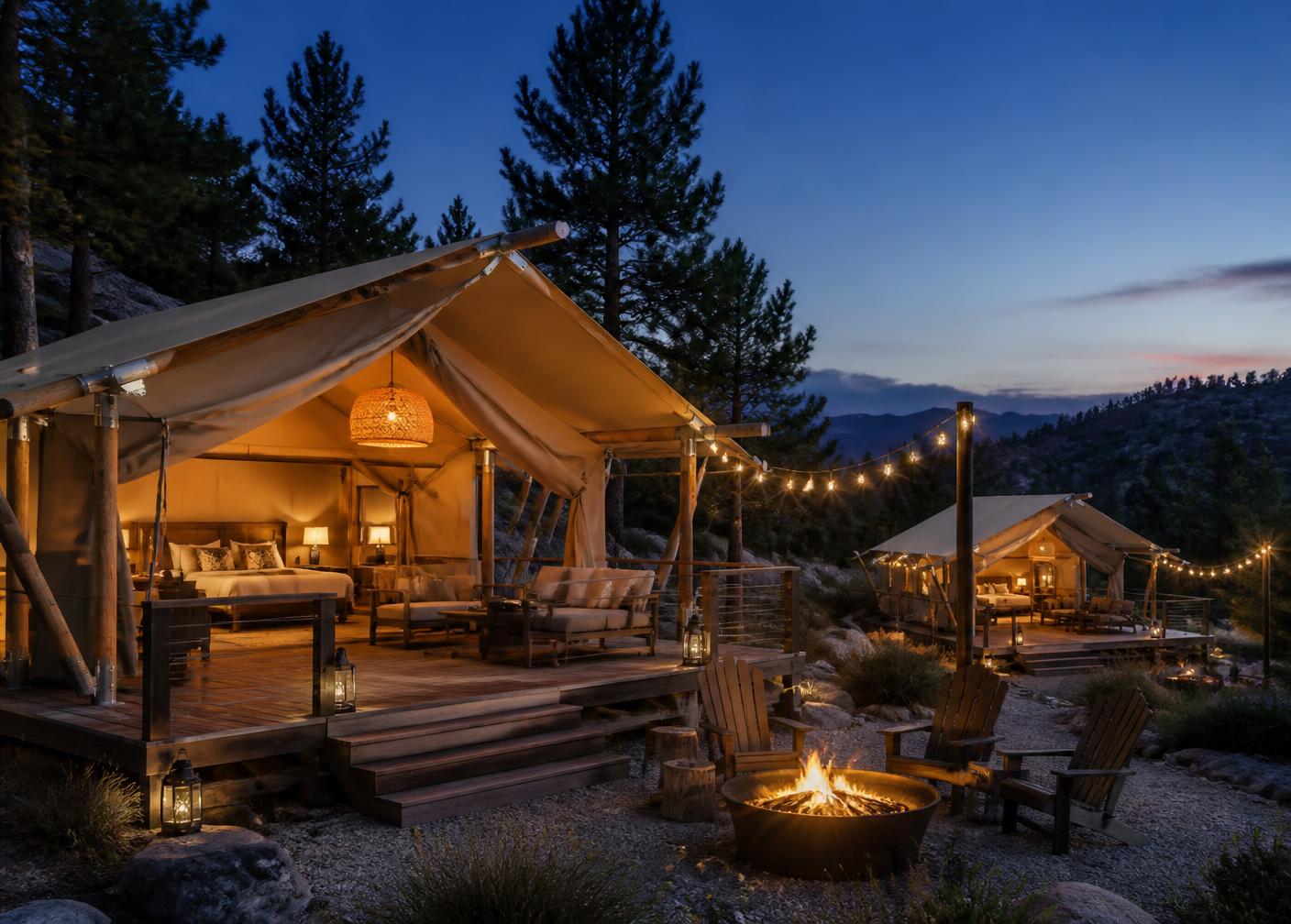
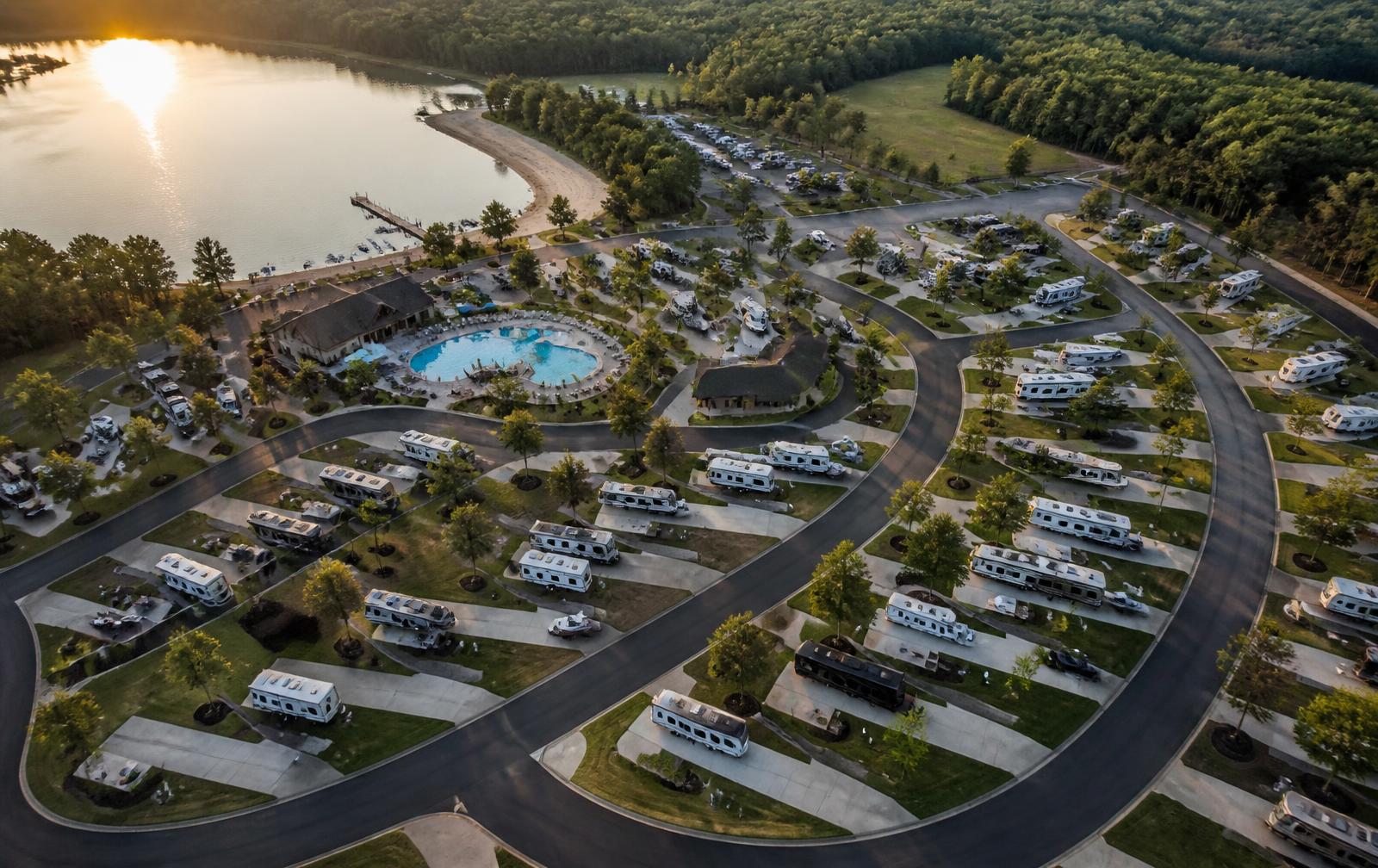
Luxury safari-style glamping tent on a wooden deck at an outdoor hospitality resort at duskAerial view of a lakeside RV resort with pool, clubhouse, beach and pull-through sites at golden hour
GLAMPING & RV RESORTS — TWO HALVES OF OUTDOOR HOSPITALITY

Hiring an outdoor hospitality consultant

What the role covers and when clients typically bring RDBA in.

What does an outdoor hospitality consultant actually do?

An outdoor hospitality consultant helps a client decide whether a glamping, RV resort or campground project works — and then how to build and run it. RDBA Outdoor Consulting covers the connected areas that move each other: feasibility and financial strategy, planning and design, glamping and alternative lodging, revenue enhancement and operations, due diligence for acquisitions, construction and owner representation, and expert advisory.

The reason those areas sit together is that they move each other. A site layout sets construction cost. Construction cost sets what financing has to carry. Amenities set achievable rate. Operations set occupancy. Advice that only touches one of them tends to be expensive later.
See all services

When is the right time to bring in a consultant?

The highest-value moment is before capital is committed: while land is being evaluated or under contract, before civil engineering is drawn, or before an acquisition closes. Decisions made at that stage are cheap to change on paper and costly to change in the ground.

The second common moment is an operating property that is underperforming — occupancy, rate or net operating income below what the site should support. That work starts with the existing plan and the existing P&L rather than a blank sheet.

Discuss your stage

Do you work with first-time clients or only large developers?

Both. Projects have ranged from small family-run properties through large resort developments, including Camp Margaritaville RV Resort, Haven Hills Campground & Resort, Denali Hotel & RV Village and multi-park work in the Yogi Bear's Jellystone Park system.

First-time clients usually need the economics tested and the plan sequenced. Experienced developers usually need a second set of eyes from someone who has also operated the asset class.

Projects and results

Where does RDBA work?

Nationwide, including Alaska and Canada, from a base in Austin, Texas. Site visits are part of most planning, turnaround and due-diligence engagements.

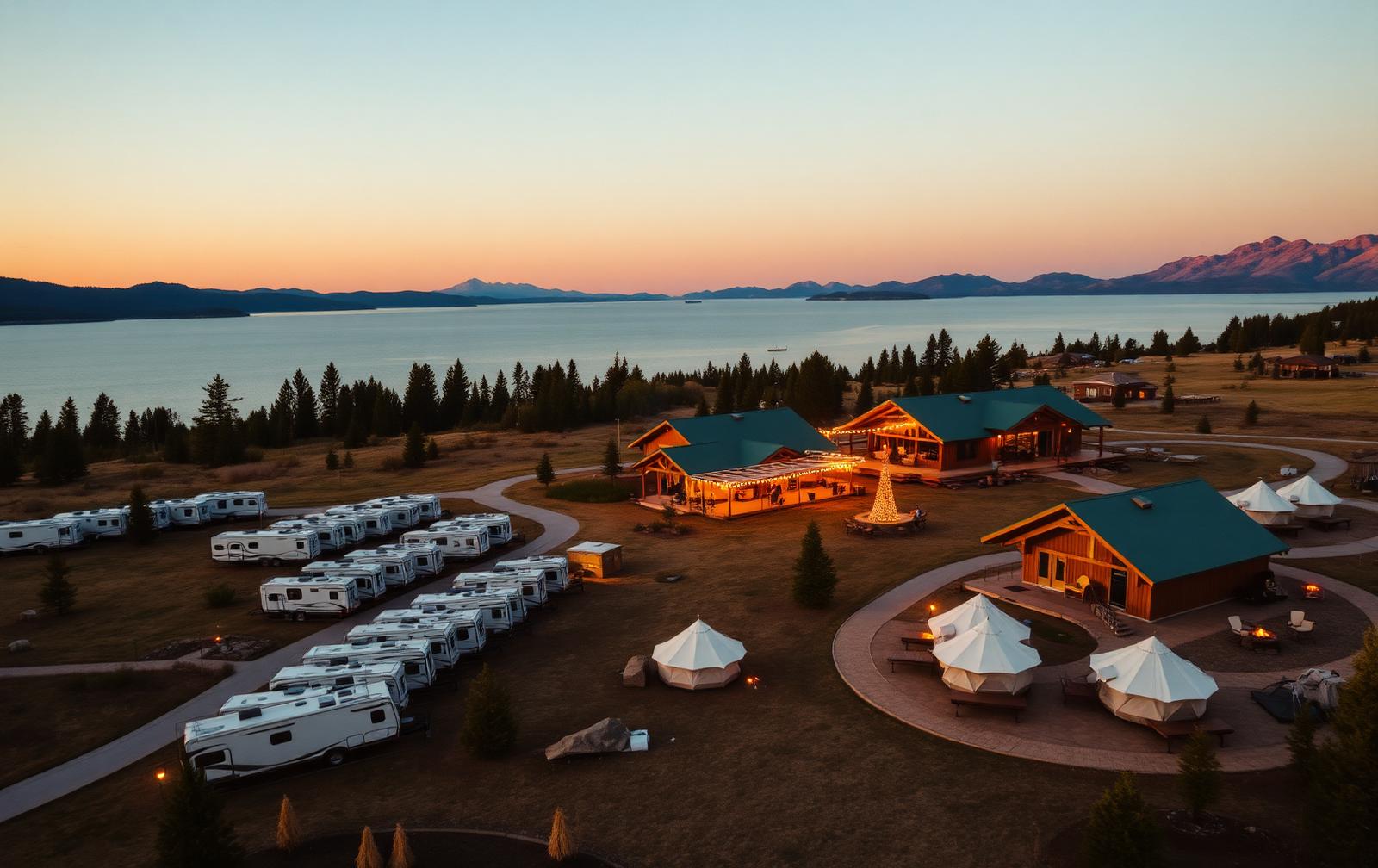
Aerial view of a lakefront glamping resort with safari tents among the trees
GLAMPING RESORT MASTERPLAN
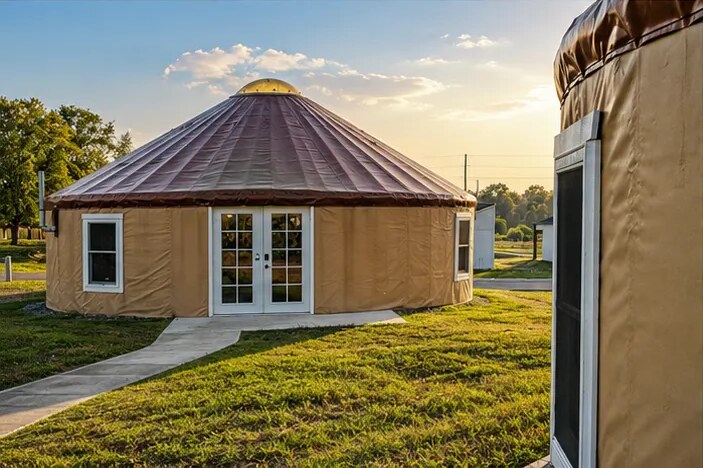
Yurt lodging units at a completed outdoor hospitality project
ALTERNATIVE LODGING, BUILT

Feasibility, planning and money questions

What the deliverables look like and how design and economics get tested together.

What does a feasibility study for an RV resort or campground include?

An RDBA feasibility engagement builds the market view and the financial model together: a market and competitive review, a development or expansion assessment, income and expense analysis, a pro forma with rate and occupancy assumptions stated plainly, and a six-year business plan usable with a lender.

It answers whether the property can support the site count, the rate, the occupancy and the debt it will carry — and where the plan breaks if any of those assumptions slips.

Feasibility & financial strategy

How is a site plan different from an engineering drawing?

A masterplan decides yield, circulation, guest experience and amenity placement, and it establishes pre-civil utility and grading intent. Civil engineering then documents that intent for permitting and construction.

Planning first tends to reduce redesign cycles, because the layout has already been checked against build cost and revenue potential rather than only against code.

Planning, design & development

Can glamping be added to an existing RV park or campground?

Often, yes — glamping units can raise average rate on land that is difficult to use for RV pads. The determining factors are terrain and viewshed, access and utilities, unit type and durability for the local climate, service paths for housekeeping, and whether the existing operation can absorb a higher-touch product.

Where those conditions do not line up, the honest answer is to improve the core product instead.

Revenue enhancement & operations

Do glamping units need separate utilities from RV sites?

Usually yes. RV pads are built around a pedestal, a water tap and a sewer connection at a fixed spacing; glamping units need power and water routed to a platform, often a septic or holding solution per unit or shared comfort stations, plus lighting along service and guest paths.

Housekeeping and maintenance access matters as much as the utility runs — a beautiful unit that staff cannot service efficiently quietly erodes margin every night it is occupied.

Planning, design & development

What nightly rates can glamping units command?

It depends on market, season, unit type and how private the siting feels — a well-sited safari tent or dome typically rents at a meaningful premium over an RV pad in the same property, and a premium unit with a view, a deck and a private bath sits higher again.

RDBA does not quote a national average, because the number that matters is what your market pays in the seasons you intend to sell. Rate assumptions get built into the pro forma and stated plainly so they can be challenged.

Feasibility & financial strategy

How many glamping units should a property start with?

Enough to be a real product line and small enough to learn from. A first phase is sized around the terrain that actually suits units, the utility work already required, staffing reality and the occupancy the market can absorb — then expanded once the operating numbers are known rather than assumed.

Start an inquiry

What should I have ready before a first conversation?

Whatever exists: location and acreage, any survey or existing site plan, current site count and mix, recent occupancy and rate history for an operating property, budget or financing constraints, and the timeline you are working toward. None of it is required to start the conversation.

Start an inquiry

Working with Ron

How engagements run, and the limits of what RDBA takes on.

Who is Ron D. Beard?

Ron D. Beard is an architect, developer, operator and consultant with decades of design practice and roughly three decades focused on outdoor hospitality. He has consulted on hundreds of projects and has owned and operated a camp-resort himself.

He is a member of the American Glamping Association, OHI and TACO, and has presented at Glamping Show Americas a few times, along with regional industry events.

About Ron

Is RDBA Outdoor Consulting the same firm as Ron D. Beard & Associates?

Yes. RDBA Outdoor Consulting is the current brand for the practice previously known as Ron D. Beard & Associates (also referred to as RDBA Consulting). Same principal, same experience, same phone number — only the name presented publicly has changed.

Does Ron take expert witness engagements?

Yes — on outdoor hospitality design standards, construction practices and operational issues, drawing on architecture, construction management and operator experience in the same asset class.

What will RDBA tell me not to do?

Whatever the numbers or the site say not to do. Clients consistently cite candid guidance as the reason for the engagement, including recommendations against a purchase, against a layout that would not build economically, or against an amenity that would not earn its cost back.

How do I reach RDBA?

Office 512-219-7688, cell 512-750-3402, or rdbaconsulting@gmail.com. Project inquiries submitted through the contact page arrive with the property details already organized.

Contact RDBA

What are the next steps?

How a first conversation turns into an engagement.

How does a first conversation get scheduled?

Send an inquiry through the contact page or call directly, and the first step is a no-cost introductory Zoom call. Most clients are not local, so video works well: screens can be shared, site plans and survey drawings reviewed live, and the property walked through on a map together.

Nothing needs to be prepared for that call beyond what already exists — location and acreage, any plan or survey, and current performance for an operating property.

Start an inquiry

What happens on that first call?

Three things: your project and where it stands, a look at comparable past work so you can judge whether the experience fits, and an honest read on whether the project is worth pursuing at all.

If the fit is not there, that gets said on the call rather than after an invoice.

Review past work

When is budget discussed?

Early and plainly. Once the scope is clear — feasibility, masterplanning, an assessment visit, due diligence or construction oversight — fees are quoted against that scope so you know the cost before committing.

Engagements are scoped to the decision in front of you rather than bundled, which is why a one-day property assessment and a full feasibility and masterplanning program are priced very differently.

How does the engagement start once we agree?

A written scope and fee confirm what is being delivered and when. From there, documents are collected, a site visit is scheduled where the work calls for it, and deliverables come back in the order decisions need to be made — economics first, then plan, then build sequencing.

Contact RDBA

Design + economics

“As an architect Ron has the unique ability to couple his design skills with the financial side of a project. These two aspects must fit hand in glove.”
Tim MurphyNorth Carolina

Next step

Still have a question about your property?

Send the details of the site, the stage and the numbers you are working with, and Ron will tell you what the most useful next step actually is.